Buy Old Outlook Email Accounts
Original price was: $10.00.$5.00Current price is: $5.00.
Are you looking for Buy Old Outlook Email Accounts for your business? Then, you have hit the right place. We can provide you fully verified accounts at a very reasonable price. If you are interested, just knock us contact ⏩
Buy Old Outlook Email Accounts
Have you ever tried to access an old Outlook email account and felt stuck or confused? Maybe you forgot your password, or the interface looks completely different from what you remember.
Your old Outlook email accounts can hold important messages, contacts, or memories you don’t want to lose. But how do you get back in without hassle? Keep reading, because this guide will help you unlock your old Outlook accounts quickly and safely, so you can find what you need without stress.
History Of Outlook Email
Old Outlook email accounts have played a key role in the history of digital communication. Outlook started as a simple email client and grew into a powerful tool for managing emails, calendars, and contacts. Understanding its history helps users appreciate how it became one of the most popular email services worldwide.
Early Beginnings Of Outlook Email
Outlook was first introduced by Microsoft in 1997 as part of the Microsoft Office suite. It was designed to replace older email programs and offer more features. At that time, it focused mainly on sending and receiving emails within businesses.
The software was known as Microsoft Outlook 97, and it helped users manage emails and schedules in one place.
Growth And New Features
Over the years, Outlook added many features beyond just emails:
- Calendar integration to schedule meetings and events
- Contact management to store and organize contacts
- Task lists for tracking work and deadlines
- Support for multiple email accounts in one app
These additions made Outlook a complete personal information manager.
Transition To Outlook.com
In 2012, Microsoft launched Outlook.com as a web-based email service. It replaced the older Hotmail service.
Outlook.com offered:
- A modern and clean interface
- Better spam filtering
- Integration with Microsoft Office Online
- Improved security features
This shift marked a big step towards cloud-based email services.
Legacy And Impact Of Old Outlook Accounts
Old Outlook email accounts still hold value today. Many users keep them for:
- Access to important emails and contacts
- Compatibility with older software
- Personal or business archives
These accounts represent decades of communication history for many people.
Evolution Of Email Features
Email has changed a lot since the early days of Old Outlook Email Accounts. The features have grown to make sending and receiving messages easier and safer. These changes helped millions of people communicate faster and organize their emails better. Understanding how email features evolved helps us see why email is still so important today.
Basic Features Of Early Email Accounts
Old Outlook Email Accounts started with simple tools. Users could:
- Send and receive plain text messages
- Create basic folders to sort emails
- Use simple address books
Attachments were rare or not supported. The interface was plain and easy to use but had few options.
Introduction Of Attachments And Formatting
Emails became more useful when users could add files. Attachments allowed sending:
- Documents
- Images
- Spreadsheets
Text formatting was added too. People could now:
- Change font styles and colors
- Use bold and italics
- Insert links and lists
Improved Security And Spam Control
Security became a priority. Email providers introduced:
- Spam filters to block unwanted emails
- Virus scanning for attachments
- Encryption to protect messages
These features helped keep inboxes safer and cleaner.
Integration With Calendars And Contacts
Old Outlook Email Accounts started to include more than just mail:
- Built-in calendars for scheduling
- Contact management for easier communication
- Task lists to track work
This made email a central tool for work and personal life.
Mobile Access And Synchronization
Email moved from desktops to phones. Mobile access features included:
| Feature | Benefit |
|---|---|
| Push notifications | Instant alerts for new emails |
| Synchronization | Keep emails updated on all devices |
| Offline access | Read and write emails without internet |
These advances made email more flexible and convenient.
Types Of Old Outlook Accounts
Old Outlook email accounts come in several types, each with unique features and history. Understanding these types helps in managing, recovering, or upgrading your email. These accounts evolved as Microsoft improved its services over time.
Hotmail Accounts
Hotmail was one of the first free webmail services. Launched in 1996, it became very popular. Microsoft bought Hotmail in 1997 and later integrated it into Outlook.
- Original Hotmail accounts used @hotmail.com domain.
- Allowed free email access via web browsers.
- Older Hotmail accounts may need migration to Outlook.com.
Accessing Legacy Outlook Accounts
Accessing legacy Outlook accounts can be tricky for many users. Older accounts may use outdated systems or different login methods. Understanding how to access these accounts helps keep your emails and contacts safe. This section explains simple steps to get into your old Outlook email accounts without hassle.
Understanding Legacy Outlook Accounts
Legacy Outlook accounts are email accounts created using older versions of Microsoft Outlook. These accounts might use different servers or protocols than current versions. Many still contain important emails and contacts.
- Older email protocols: POP3, IMAP, and Exchange versions.
- Different login systems: Some use Microsoft accounts, others use separate credentials.
- Compatibility issues: New software may not support old account types fully.
Using Outlook Desktop App For Old Accounts
The Outlook desktop app supports many legacy accounts. Setting it up requires these steps:
- Open Outlook desktop application.
- Select “File” > “Add Account.”
- Enter your old email address and password.
- Choose account type (POP3, IMAP, or Exchange) if asked.
- Complete setup and sync your emails.
The app can store old emails locally for easier access.
Common Issues With Old Accounts
Old Outlook email accounts can cause problems over time. Many users face issues that slow down their email experience or block access. These problems often happen because of outdated settings, forgotten passwords, or changes in Microsoft’s policies. Understanding common issues helps users fix them quickly and keep their email running smoothly.
Old accounts may use weak or old security settings. This can make the account less safe and cause login errors. Microsoft updates security rules often, so old accounts might not match new requirements.
- Accounts might need two-factor authentication (2FA).
- Older password formats may be rejected.
- Encrypted connections like SSL/TLS might be required.
- Old accounts may not sync well with new devices or apps. This causes delays or missing emails. Microsoft updates Outlook apps regularly, but old accounts can have trouble keeping up.
| Issue | Possible Cause | Solution |
|---|---|---|
| No new emails | Incorrect server settings | Update incoming/outgoing server info |
| App crashes | Old app version or cache problems | Update app and clear cache |
| Sync delays | Network or server issues | Check internet and retry syncing |
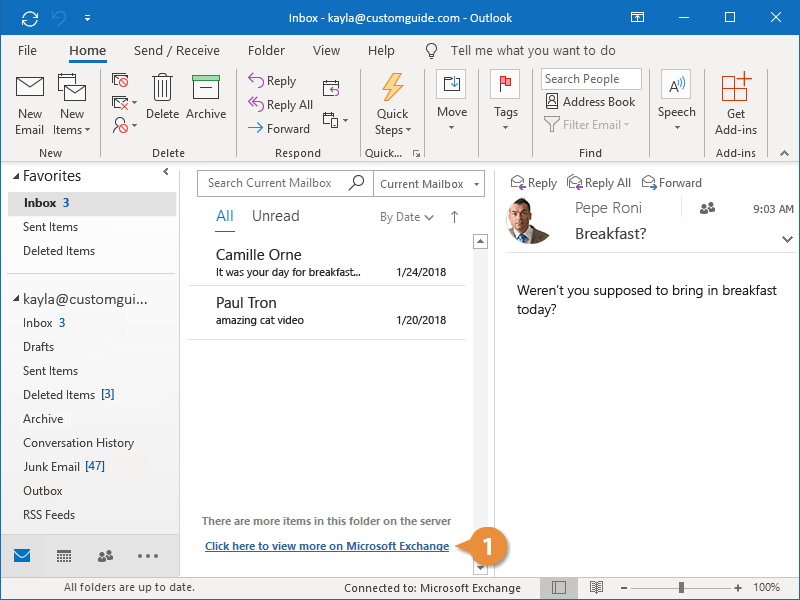
Old Outlook accounts can fill up with emails. This stops new messages from arriving. Microsoft sets storage limits on free accounts. Users must delete old emails or buy more space.
- Empty Deleted Items and Junk folders regularly.
- Archive important emails outside Outlook.
- Check storage status in account settings.
Security Risks And Concerns
Old Outlook email accounts often carry hidden security risks and concerns. These accounts might not have the latest security updates. Hackers target them because they are easier to break into. Staying aware of these risks helps protect personal information and digital identity.
Outdated Security Protocols
Old Outlook accounts may use older security methods. These methods do not stop new hacking techniques effectively.
- Weak encryption standards
- Lack of multi-factor authentication (MFA)
- Vulnerable password recovery options
These weak points make it easier for cybercriminals to access your account.
Increased Risk Of Phishing Attacks
Phishing scams often target old email accounts. These accounts might not have strong filters against malicious emails.
- Fake emails pretending to be from trusted sources
- Links that steal passwords or install malware
- Emails asking for personal or financial details
Users may not recognize these scams due to outdated warnings or features.
Data Breaches And Account Hijacking
Old Outlook accounts are common targets for data breaches. Attackers exploit old security holes to steal data.
| Risk | Description | Potential Impact |
|---|---|---|
| Account Hijacking | Hackers take full control of your account. | Loss of emails, contacts, and access to linked services. |
| Data Leakage | Private information is exposed or stolen. | Identity theft and financial loss. |
| Spam and Malware Spread | Your account sends spam without your knowledge. | Damage to your reputation and spread of viruses. |
Lack Of Support And Updates
Microsoft may stop supporting older Outlook versions. This stops security updates and patches.
- Increased vulnerability to new cyber threats
- Compatibility issues with modern security tools
- Reduced ability to recover compromised accounts
Using an unsupported account leaves your data at risk.
Weak Passwords And Forgotten Accounts
Old accounts often have weak or reused passwords. Forgotten accounts are rarely monitored.
- Simple passwords are easier to guess or crack
- Inactivity increases chances of unnoticed breaches
- No regular password updates reduce security
Regular password changes and monitoring reduce risks significantly.
Recovering Forgotten Passwords
Many people have old Outlook email accounts that they no longer use regularly. Sometimes, they forget the password and cannot access their emails. Recovering a forgotten password is possible and often simple. This guide explains easy steps to regain access to old Outlook accounts.
How To Start The Password Recovery Process
Begin by visiting the Outlook sign-in page. Click on the “Forgot my password” link below the password box. This action takes you to the Microsoft account recovery page.
Next, enter your email address or phone number linked to the account. This helps Microsoft identify your account for recovery.
Verifying Your Identity
Microsoft needs to confirm you own the account before resetting the password. You will see several verification options:
- Receive a security code via email
- Get a code on your phone via text message
- Answer security questions set up previously
Choose the method you can access easily. Enter the code or answer the questions correctly to proceed.
Creating A New Password
After verification, Microsoft allows you to create a new password. Follow these tips for a strong password:
- Use at least 8 characters
- Include uppercase and lowercase letters
- Add numbers or special symbols
- Avoid simple words or repeated characters
Write down your new password or save it in a secure place. This helps avoid forgetting it again.
Troubleshooting Common Issues
Sometimes, recovery may not work smoothly. Problems include:
| Issue | Solution |
|---|---|
| No access to recovery email or phone | Try answering security questions or use another recovery option |
| Verification code not received | Check spam folder or request a new code after some time |
| Forgot security questions | Contact Microsoft support for further help |
Tips To Prevent Future Password Loss
- Update recovery info regularly
- Use a password manager to save passwords
- Create passwords that are easy to remember but hard to guess
- Enable two-step verification for extra security
Migrating Old Emails To New Accounts
Migrating old emails to new accounts helps keep important messages safe and easy to find. Many users have valuable information stored in their old Outlook email accounts. Moving these emails to a new account can improve access and organization. The process might seem complex, but breaking it down into simple steps makes it manageable. This section explains how to transfer old Outlook emails smoothly and securely.
Preparing Your Old Outlook Account For Migration
Start by cleaning up your old account. Delete unnecessary emails and organize important messages into folders.
- Check storage limits and free up space if needed.
- Make sure you know your account login details.
- Backup your emails locally using Outlook’s export feature.
Backing up ensures no data loss during migration.
Exporting Emails From Old Outlook Account
Use Outlook’s built-in export tool to save emails as a file. Follow these steps:
- Open Outlook and go to File > Open & Export > Import/Export.
- Select Export to a file and click Next.
- Choose Outlook Data File (.pst) and click Next.
- Select the folders to export, including subfolders, and click Next.
- Save the file in a known location and finish the export.
This file contains all your selected emails and folders.
Importing Emails Into Your New Outlook Account
After exporting, import the PST file into your new Outlook account:
- Open Outlook and go to File > Open & Export > Import/Export.
- Select Import from another program or file and click Next.
- Choose Outlook Data File (.pst) and click Next.
- Browse to your saved PST file and select import options.
- Pick the folder to import to or create a new one, then finish.
Emails will now appear in your new account, ready for use.
Using Email Clients And Tools For Migration
Third-party email clients and tools can help migrate emails faster. Some popular options include:
| Tool | Features | Cost |
|---|---|---|
| Mozilla Thunderbird | Free, supports multiple accounts, easy import/export | Free |
| MailStore Home | Archiving and migration, simple interface | Free |
| Kernel for PST Merge | Merges and migrates PST files, fast processing | Paid |
Choose a tool based on your needs and technical comfort.
Tips To Avoid Common Migration Issues
- Backup emails before starting any migration.
- Check for software updates in Outlook or email tools.
- Confirm new account settings like server and port numbers.
- Move emails in smaller batches to prevent overload.
- Keep both accounts active until migration completes successfully.
Using Pop And Imap Protocols
Old Outlook email accounts often use two main protocols to manage emails: POP and IMAP. These protocols help your email client communicate with the mail server. Understanding how POP and IMAP work can make handling old email accounts easier and more efficient.
What Is Pop (post Office Protocol)?
POP downloads emails from the server to your device. Once downloaded, emails are usually deleted from the server. This means your messages are stored locally on your computer or phone.
- Emails are accessible offline after download.
- Messages are not synced across multiple devices.
- Good for users who check email on one device.
What Is Imap (internet Message Access Protocol)?
IMAP keeps emails on the server and syncs them across all devices. Actions like reading or deleting an email update on every device connected to the account.
- Emails stay on the server until deleted.
- Changes reflect on all devices instantly.
- Ideal for users who access email from multiple devices.
Benefits Of Using Pop And Imap With Old Outlook Emails
- POP frees server space by downloading and removing emails.
- IMAP keeps emails safe on the server with constant syncing.
- Both protocols support offline email reading in different ways.
- Choose based on device use and email management preferences.
Compatibility With Modern Devices
Old Outlook email accounts store valuable emails and contacts. Many users wonder if these accounts work well with new devices. Compatibility means the ability to send, receive, and manage emails smoothly on modern phones, tablets, and computers. Understanding this helps keep your communication easy and reliable.
How Old Outlook Accounts Work On Smartphones
Most smartphones support old Outlook accounts. You can add your email using the built-in mail app. The account uses standard protocols like IMAP or POP3, which smartphones recognize easily.
- IMAP syncs emails across devices, keeping messages consistent.
- POP3 downloads emails to the device but may not sync across devices.
Setting up might need your email address, password, and server details. Some older accounts require manual setup, not automatic.
Compatibility With Modern Email Clients
Modern email clients like Outlook 365, Thunderbird, and Apple Mail support old Outlook accounts. They allow access to all emails and folders. You can also organize and search your messages efficiently.
Tips For Smooth Use Of Old Outlook Accounts
Keep your email experience smooth by following these tips:
- Regularly update your device and email app software.
- Backup your emails to avoid data loss.
- Delete unnecessary emails to reduce clutter.
- Use strong passwords to protect your account.
Managing Storage Limitations
Old Outlook email accounts often face storage limitations that can slow down your email experience. Managing these limits helps keep your inbox clean and working smoothly. Knowing how to control storage stops your account from reaching its maximum space. This section explains easy ways to manage your email storage effectively.
Deleting Unnecessary Emails
Removing unwanted emails frees up space quickly. Focus on emails with large attachments or old messages you no longer need.
- Sort emails by size or date.
- Select multiple emails to delete at once.
- Empty the Deleted Items folder to clear space.
Regular cleanup prevents storage from filling up.
Archiving Old Emails
Archiving moves old emails out of your main inbox but keeps them accessible. This saves space without deleting valuable messages.
- Create an archive folder inside Outlook.
- Move emails older than six months to this folder.
- Access archived emails anytime without using main storage.
Archiving keeps your inbox tidy and fast.
Use these tools regularly to keep storage low and performance high.

Archiving Old Messages
Old Outlook email accounts often contain many messages that are no longer needed daily. Archiving old messages helps keep the inbox clean and improves email performance. It also makes it easier to find important emails later without scrolling through a long list. Archiving moves old emails to a separate folder, keeping them safe but out of the main view.
What Is Email Archiving?
Email archiving means storing old emails in a special folder or file. These emails are removed from the main inbox but can be accessed anytime. Archiving helps save space and keeps the email system fast and organized.
How To Archive Old Messages In Outlook
- Open Outlook and go to the mailbox.
- Select the emails you want to archive.
- Click on the Archive button in the toolbar.
- Choose a folder or create a new archive folder.
- Confirm the action. The emails move to the archive folder.
Benefits Of Archiving Old Emails
- Improves inbox speed: Less clutter means faster loading.
- Keeps important emails safe: Archived emails stay accessible.
- Reduces storage use: Frees up space in your mailbox.
- Makes searching easier: Find emails quickly by browsing archive folders.
Tips For Managing Archived Emails
- Set a regular schedule to archive emails, like once a month.
- Use clear folder names for easy navigation.
- Backup archive folders to avoid data loss.
- Delete emails you no longer need to save space.
Integrating With Other Microsoft Services
Old Outlook email accounts work smoothly with many Microsoft services. This integration helps users stay organized and connected. Microsoft designs its tools to share data easily. Your email, calendar, and files can work together. This saves time and improves productivity. Understanding how these services connect makes your Microsoft experience better.
Microsoft Teams lets you chat, call, and meet. Your old Outlook email can link with Teams easily. This means your emails and meetings stay in one place.
- Meeting invites from Outlook appear in Teams automatically.
- Teams shows your Outlook calendar events clearly.
- You can start a chat or call from an email.
This connection keeps your communication smooth and fast.
OneDrive stores your files safely in the cloud. Old Outlook accounts can sync attachments directly to OneDrive. This frees up your inbox space.
Benefits include:
- Access files from any device.
- Share files without large email attachments.
- Keep files updated automatically.
Syncing helps keep emails light and your files safe.
Outlook email links with Microsoft Calendar and To Do app for better task management.
| Service | How It Works | Benefit |
|---|---|---|
| Microsoft Calendar | Shows email events and meeting invites | Helps plan your day easily |
| Microsoft To Do | Creates tasks from flagged emails | Keeps track of important actions |
These tools keep your schedule and tasks in sync with your emails.
Updating Account Settings Safely
Old Outlook email accounts often need updates in their settings to keep working properly. Updating account settings safely helps protect your email and personal information. Making changes carefully avoids errors and keeps your account secure.
Updating Passwords Securely
Choose a strong password with letters, numbers, and symbols. Avoid easy words like names or birthdays. Change passwords regularly and never share them with others.
Use Outlook’s password change feature:
- Go to Account Settings.
- Select Security or Password option.
- Enter your old password and new strong password.
- Save changes.
Verifying Server Settings
Outlook uses server addresses to send and receive emails. Incorrect settings stop emails from working. Check these details:
| Setting | Value Example | Notes |
|---|---|---|
| Incoming Mail Server (IMAP/POP3) | imap-mail.outlook.com or pop-mail.outlook.com | Depends on your email type |
| Outgoing Mail Server (SMTP) | smtp-mail.outlook.com | Use correct port number |
| Port Numbers | IMAP: 993, POP3: 995, SMTP: 587 | Use SSL/TLS for security |
Double-check these settings to ensure smooth email flow.
Enabling Two-factor Authentication
Two-factor authentication (2FA) adds an extra layer of protection. It asks for a code after your password. This code comes from your phone or email.
- Go to Outlook security settings.
- Find and enable Two-Factor Authentication.
- Follow steps to link your phone or app.
2FA helps stop hackers, even if they get your password.
Deactivating Unused Old Accounts
Old Outlook email accounts can pile up over time. Many stay unused but still active. Deactivating unused old accounts helps protect your personal information. It also keeps your digital space clean and organized. This section explains why and how to deactivate these old accounts safely.
What Happens When You Deactivate An Old Outlook Account?
Deactivating means the account becomes inactive and cannot be used to send or receive emails. Microsoft may delete the account after a period of inactivity. This process helps prevent unauthorized access to your data.
- Emails and contacts may be deleted.
- You lose access to any linked services.
- The email address becomes available for others.
Steps To Deactivate An Old Outlook Account
- Sign in to the Outlook account you want to close.
- Go to the Microsoft Account Closure page.
- Follow the on-screen instructions to verify your identity.
- Review the information about what will happen after closure.
- Confirm and submit the account closure request.
Keep in mind that Microsoft may keep the account for 60 days before permanent deletion.
Important Tips Before Deactivating
| Tip | Reason |
|---|---|
| Backup important emails and contacts | To avoid losing important information permanently. |
| Update your email on other services | So you don’t lose access to linked accounts like social media or banks. |
| Inform contacts about your new email | To prevent missing important messages from friends or work. |
Benefits Of Deactivating Old Accounts
- Improves online security by reducing risk of hacking.
- Frees up storage space in your Microsoft account system.
- Reduces spam by closing accounts that attract unwanted emails.
- Simplifies email management with fewer accounts to monitor.
Tips For Maintaining Account Security
Old Outlook email accounts often hold important information and contacts. Keeping these accounts secure protects personal data and prevents unauthorized access. Simple steps can strengthen your account security and avoid risks.
Use Strong And Unique Passwords
Create passwords with a mix of letters, numbers, and symbols. Avoid using easy words like “password” or “123456.”
- Make passwords at least 12 characters long.
- Use different passwords for different accounts.
- Change passwords regularly.
Enable Two-factor Authentication (2fa)
Two-factor authentication adds a second layer of protection beyond just the password.
- Use an authentication app or SMS codes.
- This stops hackers even if they get your password.
- Turn on 2FA in your Outlook security settings.
Review Account Activity Often
Check your Outlook account for unusual sign-in attempts or unknown devices.
- Go to the security section in your account.
- Look for unfamiliar locations or times.
- Immediately change your password if you spot anything strange.
Keep Recovery Information Updated
Recovery options help you regain access if locked out.
| Recovery Option | Why It Matters | Best Practice |
|---|---|---|
| Alternate Email | Receive password reset links. | Use an email you check often. |
| Phone Number | Get verification codes via SMS. | Keep your current phone number updated. |
| Security Questions | Extra identity verification. | Choose hard-to-guess answers. |
Be Careful With Suspicious Emails
Phishing emails try to steal your login details.
- Do not click links from unknown senders.
- Never share your password through email.
- Verify the sender’s address carefully.
Keep Your Devices Secure
Devices often store Outlook login information.
- Use antivirus software and keep it updated.
- Install software updates promptly.
- Log out of Outlook on public or shared devices.
Frequently Asked Questions
What Is An Old Outlook Email Account?
An old Outlook email account is a previously used Microsoft email address. It may have limited access or outdated settings. People often keep them for backup or important messages.
How Can I Access My Old Outlook Email?
You can log in using your email and password on Outlook. com. If you forgot your password, use the “Forgot Password” option to reset it. Keep your recovery email or phone ready.
Can I Recover Deleted Emails From Old Outlook Accounts?
Yes, deleted emails can be recovered from the “Deleted Items” folder. Emails stay there for 30 days before permanent removal. After that, recovery might not be possible.
Why Is My Old Outlook Email Not Syncing?
Syncing issues often happen due to incorrect settings or poor internet. Check your account settings and ensure your device is online. Updating the Outlook app can also help.
How Do I Update Security On Old Outlook Accounts?
Change your password regularly and enable two-factor authentication. This adds an extra step for login security. Always keep your recovery information updated.
Can I Forward Emails From An Old Outlook Account?
Yes, forwarding is possible through Outlook settings. You can set rules to forward all or specific emails. This helps manage emails on a new account.
What Happens To An Old Outlook Account If Unused?
Microsoft may deactivate accounts inactive for a long time. Usually, inactivity lasts about 365 days before deletion. It’s best to log in occasionally to keep it active.
How Do I Delete An Old Outlook Email Account?
Go to Microsoft account settings and select “Close your account. ” Follow the steps to confirm closure. Remember, deleting is permanent and removes all data.
Can I Link My Old Outlook Email To A New Account?
Yes, you can add your old email as a connected account. This allows you to send and receive from one place. Use Outlook’s “Add Account” feature for this.
Are Old Outlook Accounts Still Supported By Microsoft?
Microsoft supports Outlook accounts but may limit features on very old versions. Using the latest app or web version ensures full support. Keep your software updated regularly.
Conclusion
Old Outlook email accounts still hold value today. They store important messages and contacts. You can access them anytime from any device. Keeping these accounts active prevents data loss. Regularly checking old emails helps find forgotten details. Stay mindful of security by updating passwords often.
Managing old accounts keeps your digital life organized. Don’t ignore them, as they might contain useful information. Simple steps make old Outlook accounts easy to use. They remain a helpful tool in your daily communication.
User Reviews
Be the first to review “Buy Old Outlook Email Accounts”

Original price was: $10.00.$5.00Current price is: $5.00.
Related Products



There are no reviews yet.